Pusat Pembelajaran Demokrasi

Category: Uncategorized

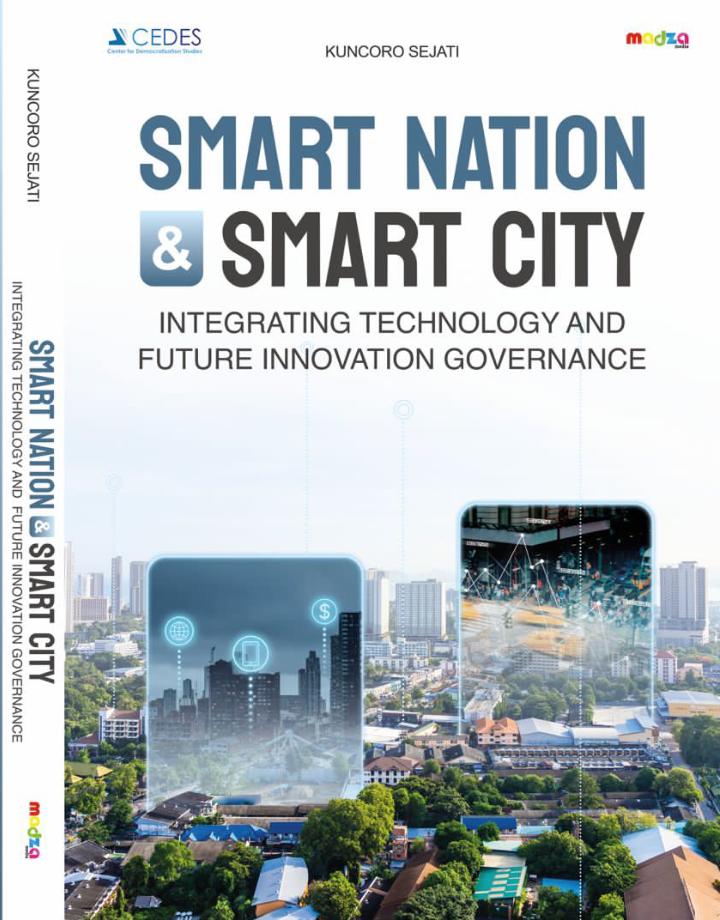
New Book: Smart Nation and Smart City

Written by Kuncoro Sejati, this book presents a comparative analysis of three leading innovation hubs in the Asia–Pacific region: the Manoa Innovation Center (MIC) in Hawaii, Kashiwa-no-ha KOIL in Japan, and One-North in Singapore. Each innovation center represents a distinct management and development model shaped by different institutional leaderships.

  • Kashiwa-no-ha KOIL (Japan) was initiated and driven primarily by the private sector.
  • One-North (Singapore) originated from university initiatives—led by the National University of Singapore (NUS)—and later expanded through strong collaboration with government and private-sector partners.
  • Manoa Innovation Center (Hawaii) is the product of close collaboration between the University of Hawaii and the government.

These innovation centers serve as important benchmarks for Indonesia in its efforts to build an innovation-driven economy, particularly through research-based technology development and business incubation.

Among the three, One-North in Singapore stands out as the most integrated innovation district. It seamlessly combines university campuses, research institutions, business districts, and residential areas, all connected through green corridors. Likewise, Kashiwa-no-ha demonstrates strong integration by blending academic spaces with co-working facilities and hospitality services, supported by energy-efficient and environmentally sustainable technologies. In contrast, Hawaii’s MIC places greater emphasis on high-technology business incubation and facilitating technology transfer between the university and industry, although it is less integrated in terms of urban infrastructure compared to the other two models.

The success of these innovation hubs lies in the effective synergy between academia, business, and government (A–B–G). By prioritizing consumer needs and continuous improvement, they have generated innovative products and services that enhance global competitiveness. The book concludes that adopting similar models could help Indonesia strengthen its innovation culture, develop engineering-based industries, and accelerate national economic growth.

Consistency of the Constitutional Court’s Decisions in Resolving Disputes Over the Authority of State Institutions

Luthfi Widagdo Eddyono published his paper as part of Proceedings of the 2nd International Conference on Law and Human Rights 2021 (ICLHR 2021).

Based on Article 24C, paragraph (1) of the 1945 Constitution, which is reaffirmed in Article 10, paragraph (1) letters a to d Law 24/2003, one of the powers of the Constitutional Court of the Republic of Indonesia is to decide disputes over the authority of state institutions whose authority is granted by the 1945 Constitution. From 2003 to the present, 26 cases resolving disputes over the authority of state institutions granted by the 1945 Constitution have been accepted and decided. The verdict results were granted in one case, three cases were rejected, 16 were not accepted, five were withdrawn, and one was not authorised by the Court. From the variety of decisions in those cases, it is essential to study why this happened. This study is descriptive and analytic. It uses the juridical method and desk study. This paper will focus on the analysis of the decisions of disputes over the authority of state institutions. In addition, this paper will focus on seeing the consistency of the Constitutional Court decisions from the first to the last judgment. It is concluded that the Constitutional Court’s decisions in disputes over the authority of state institutions are consistent. In its previous decision 1/SKLN-XVII/2019, the Constitutional Court adhered to its prior decisions. It creates legal certainty in disputes over the authority of state institutions.

Volume TitleProceedings of the 2nd International Conference on Law and Human Rights 2021 (ICLHR 2021)

SeriesAdvances in Social Science, Education and Humanities Research

Publication Date23 November 2021ISBN978-94-6239-454-4ISSN2352-5398DOI10.2991/assehr.k.211112.033How to use a DOI?

Copyright© 2021 The Authors. Published by Atlantis Press SARL.Open AccessThis is an open access article under the CC BY-NC license.

Significant Role of the BBNJ Agreement for Maritime States

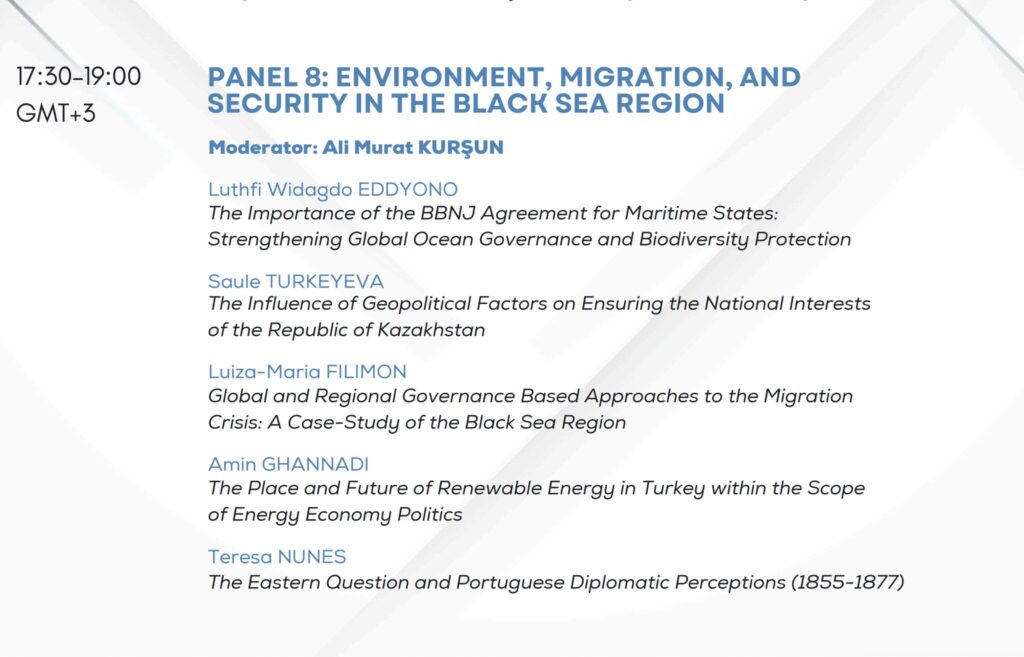
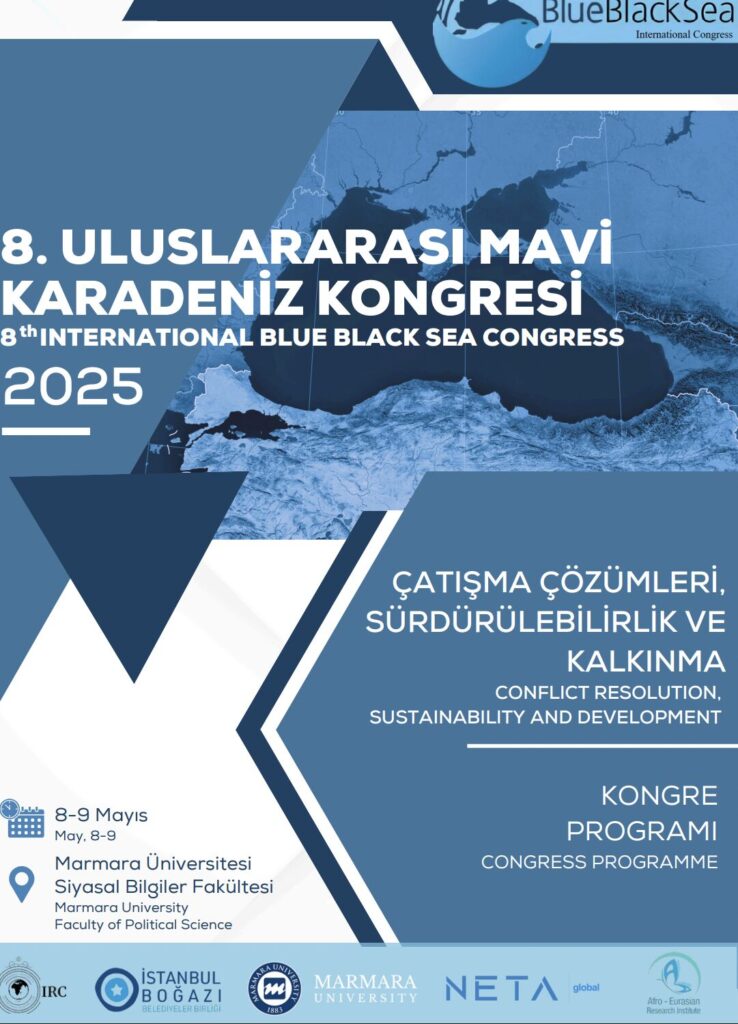
Luthfi Widagdo Eddyono take part in the 8th International Black Sea Congress, organised by the Faculty of Political Science at Marmara University in Istanbul, 8-9 May 2025. During the event, Luthfi presented his paper, which explores the significant role of the BBNJ Agreement for maritime states. This agreement has the potential to strengthen global ocean governance and enhance biodiversity protection, promoting a more sustainable future for our oceans.

https://blueblacksea2025-kongre.marmara.edu.tr/en

Constitutional Rights and the Environment

Luthfi Widagdo Eddyono contributed to the Secretariat for Research and Development (SRD) of the Association of Asian Constitutional Courts and Equivalent Institutions (AACC) for its seventh research book, entitled “Constitutional Rights and the Environment.”

Powered by WordPress & Theme by Anders Norén